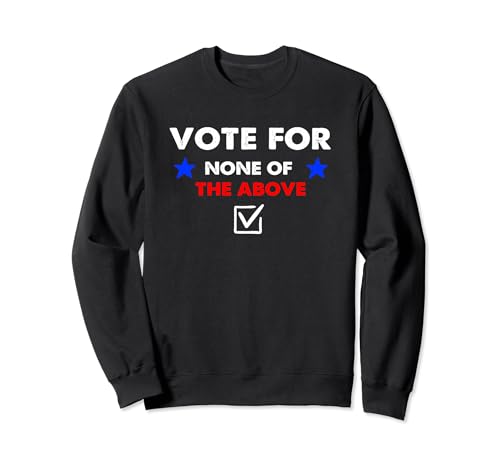
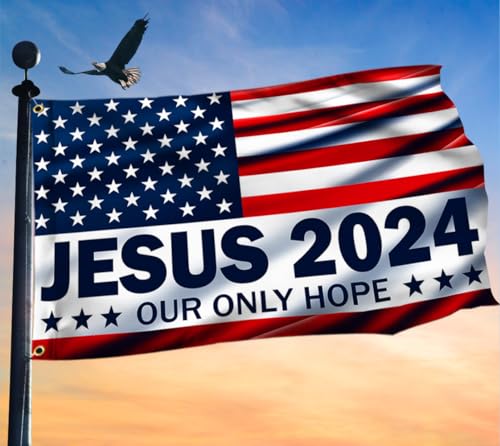
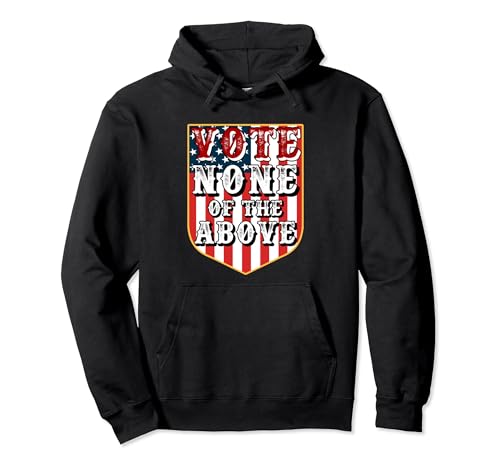
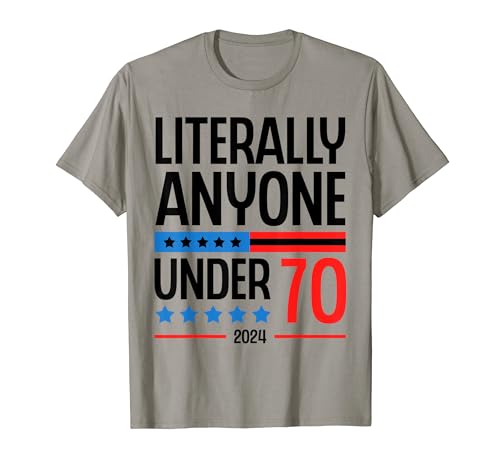
The "None of the Above" option is gaining attention as we approach the 2024 election. This choice allows voters to express their dissatisfaction with all the candidates on the ballot. It's not a rejection of the voting process itself, but rather a clear signal that many people feel their options do not meet their expectations or needs. This option can empower voters who are fed up with traditional party politics and are looking for alternatives that better align with their beliefs and values.
When people consider voting "None of the Above" in the 2024 election, they should understand what this option represents. It serves as a form of protest against the current political landscape, where candidates may seem disconnected from the issues that matter most to their constituents. By choosing "None of the Above," voters are making a statement: they want more meaningful choices and accountability from their leaders.
Moreover, the "None of the Above" option can influence future elections. When a significant number of votes are cast for "None of the Above," it signals to political parties that they need to rethink their strategies and candidate selections. This could lead to better candidates emerging in future elections, as parties recognize the need to engage with voters on a deeper level. The upcoming 2024 election could play a critical role in shaping the political conversation and encouraging parties to focus more on the needs of the electorate.
Ultimately, understanding the implications of the "None of the Above" option is essential as we move toward election 2024. By participating in this way, voters can stress the importance of having candidates who genuinely represent their interests and concerns. This choice is not just an expression of frustration; it is also a step towards fostering a more responsive and inclusive democratic process.
Why Choose None of the Above
When faced with the candidates running in the 2024 election, many voters find themselves disillusioned by the options available. The phrase "None of the above 2024" resonates with those who feel that none of the candidates truly represent their values or priorities. Choosing to vote for none of the above can be a powerful statement, highlighting the need for genuine alternatives in our political landscape.
Voting none of the above serves as a clear message that voters are seeking change. It demonstrates dissatisfaction with the status quo and urges political parties to reconsider their approaches. If enough people engage in this form of protest voting, it could lead to increased pressure on parties to introduce fresh, relatable candidates who align more closely with the electorate's needs.
Ultimately, the choice to Vote "none of the above" in 2024 isn't just about rejecting current candidates; it's about fostering hope for a better future. By making this choice, voters can influence the direction of the political dialogue and push for the development of more suitable alternatives in the elections to come.
Impact on Election Outcomes
The "None of the above" movement has the potential to significantly impact the outcomes of the upcoming presidential election. With dissatisfaction towards traditional candidates soaring, many voters are considering the option of expressing their discontent through this alternative choice. By selecting "none of the above," voters send a clear message that they are unhappy with the current political landscape and that the available candidates do not represent their interests.
This shift in voter behavior could lead to unexpected results on election day. When individuals choose the "none of the above" option, it not only highlights the lack of viable candidates but also challenges political parties to rethink their strategies. If a substantial number of ballots are cast for "none of the above," it sends a strong signal that the electorate demands better options—a direct challenge to the status quo.
Political analysts will be closely watching the results of the 2024 election. A high percentage of votes for this option could indicate a significant need for reform within the electoral system. Parties may be forced to reevaluate their candidate selections, focus on issues that truly resonate with the electorate, and work to rebuild trust among voters who feel ignored. Overall, the movement could redefine what it means to participate in a democracy, empowering voters to demand accountability and representational change.
How to Vote None of the Above
Voting is a powerful way to express your opinions and make your voice heard. In the upcoming elections, you may feel that none of the candidates align with your beliefs or values. If this is the case, you have the option to vote "none of the above". This option allows you to express dissatisfaction with the choices presented to you. Here's how to do it.
The first step is to check your state's voting regulations. Not all states offer a "none of the above" option on their ballots. If your state does provide this choice, it usually appears alongside the names of the candidates. Look for this option when you receive your ballot, whether it’s a mail-in ballot or one you cast at a polling place.
If your state does not have an official "none of the above" option, you can still express your preference by writing it in if your ballot allows for write-in candidates. Make sure to follow the guidelines provided by your local election office, as they can vary by state. If you're voting electronically, look for a transparent way to communicate your choice at the end of the voting process.
Remember, participating in elections is crucial, even if it feels like you're just casting a vote against all candidates. If you're frustrated with the options available, your choice to vote "none of the above" sends a clear message to political parties and candidates that they need to work harder to address the concerns of voters like you.